
Strategy Is Saying Yes — But Mostly No
“The essence of strategy is choosing what not to do.” — Michael Porter
Most leadership teams don’t fail because they lack ideas.
They fail because they collect too many of them.
Every quarter brings new initiatives.
New markets. New tools. New priorities.
The result?
Busy calendars. Diluted focus. Mediocre execution.
Real strategy works in the opposite direction.

When the Market Speaks, Listen
“Your most unhappy customers are your greatest source of learning.”
— Bill Gates
Most businesses obsess over growth metrics.
Revenue. Users. Market share.
Few truly listen when things hurt.
And yet, pain is often the market speaking in its clearest language.
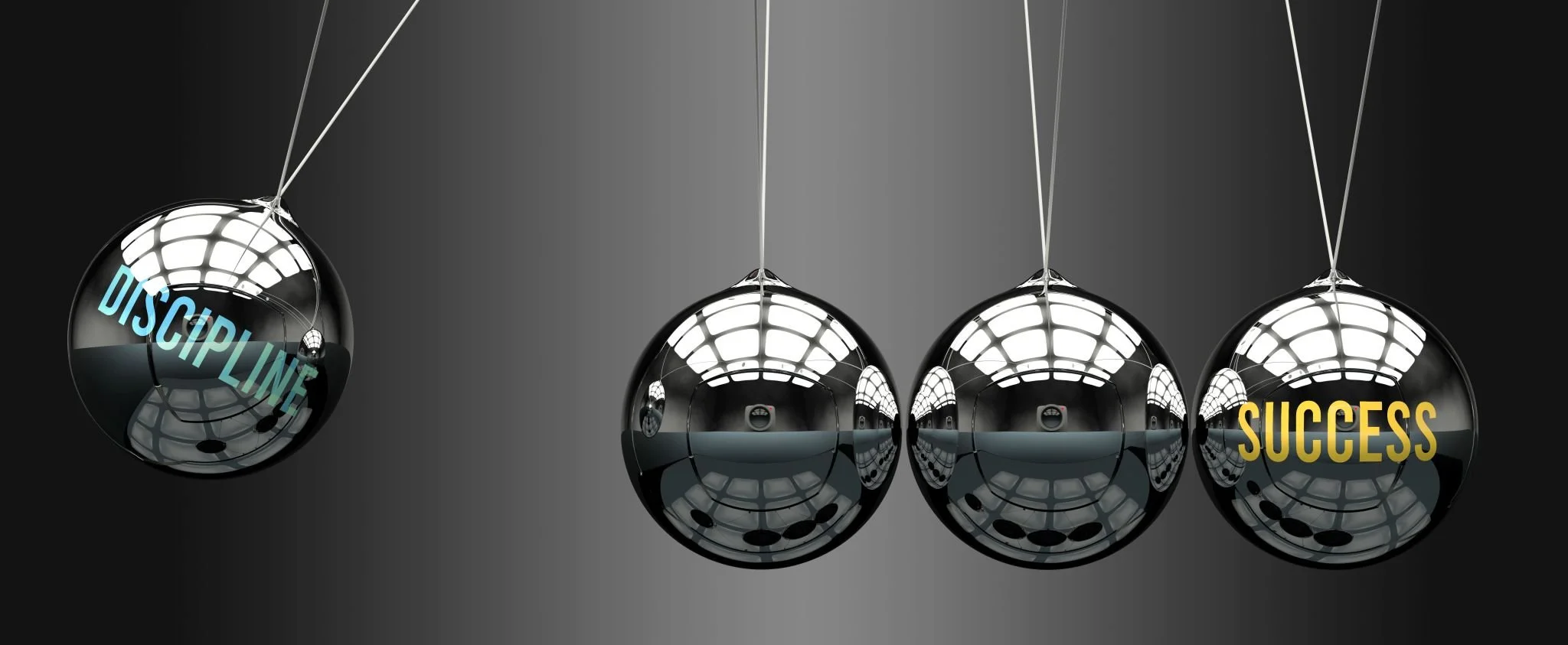
The Compound Effect of Good Decisions
Once we talk about success, we tend to focus on breakthroughs, bold moves, and moments that look decisive in hindsight.
What we rarely acknowledge is that most success stories are shaped long before those moments arrive.
They are built quietly, through small decisions repeated with discipline.
“Success is nothing more than a few simple disciplines, practiced every day.”
— Jim Rohn
This quote sounds simple, almost obvious, yet it captures a reality many professionals struggle to accept.
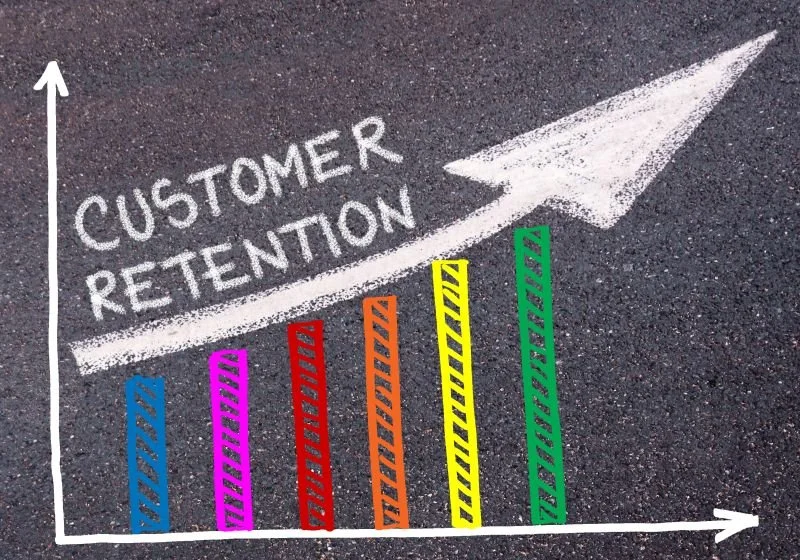
If You Stopped Marketing Tomorrow, Would Anyone Stay?
Growth feels good. The charts go up, people start talking, and you finally get to feel like all the chaos might be paying off. But growth without retention is just performance — loud and hollow.
If users show up once and don’t come back, you don’t have a business. You have a landing page with good marketing. And a very expensive churn problem.
Brian Balfour put it best: “If your retention is poor, nothing else matters.”

Want Real Trust on Your Team? Start Celebrating “Red” Problems
Most teams say they want trust. But the real test isn’t the offsite, the values slide, or the inspirational quote in the hallway.
The real test is simpler.
What happens when someone brings you bad news? Do people feel safe saying, “We have a problem”? Or do they spend their energy hiding it, spinning it, or decorating it in PowerPoint?

Innovation’s Blind Spot: Why Empathy Is the Real Growth Engine
Innovation is often treated like a race for speed — faster features, faster launches, faster funding.
But the products that actually last don’t start with speed. They start with understanding.
Satya Nadella said it well:
“Empathy is the engine of innovation.”
In the early days of Airbnb, the real problem wasn’t supply or pricing. It was fear.
Would you stay in a stranger’s home?
Would you trust the photos?
Would you feel safe?

Your Financial Statements Tell a Story: The Signals Most Executives Ignore
Most leaders treat financial statements like a rearview mirror — a record of what already happened.
But they’re closer to a screenplay.
If you read carefully, you can see the next chapter forming long before it’s officially announced.
Warren Buffett once said:
“Accounting is the language of business.”
And like any language, fluency matters.

Patience Isn’t Passive. It’s Strategic Leverage.
In business, patience is often misdiagnosed as hesitation, caution, or lack of ambition. It isn’t.
Real patience is controlled restraint — delaying acceleration until the system can carry the weight of growth.
As Bill Gates said: “Most people overestimate what they can do in one year and underestimate what they can do in ten.” In leadership, that’s not inspiration. It’s math.